

The Remains of Homo naledi
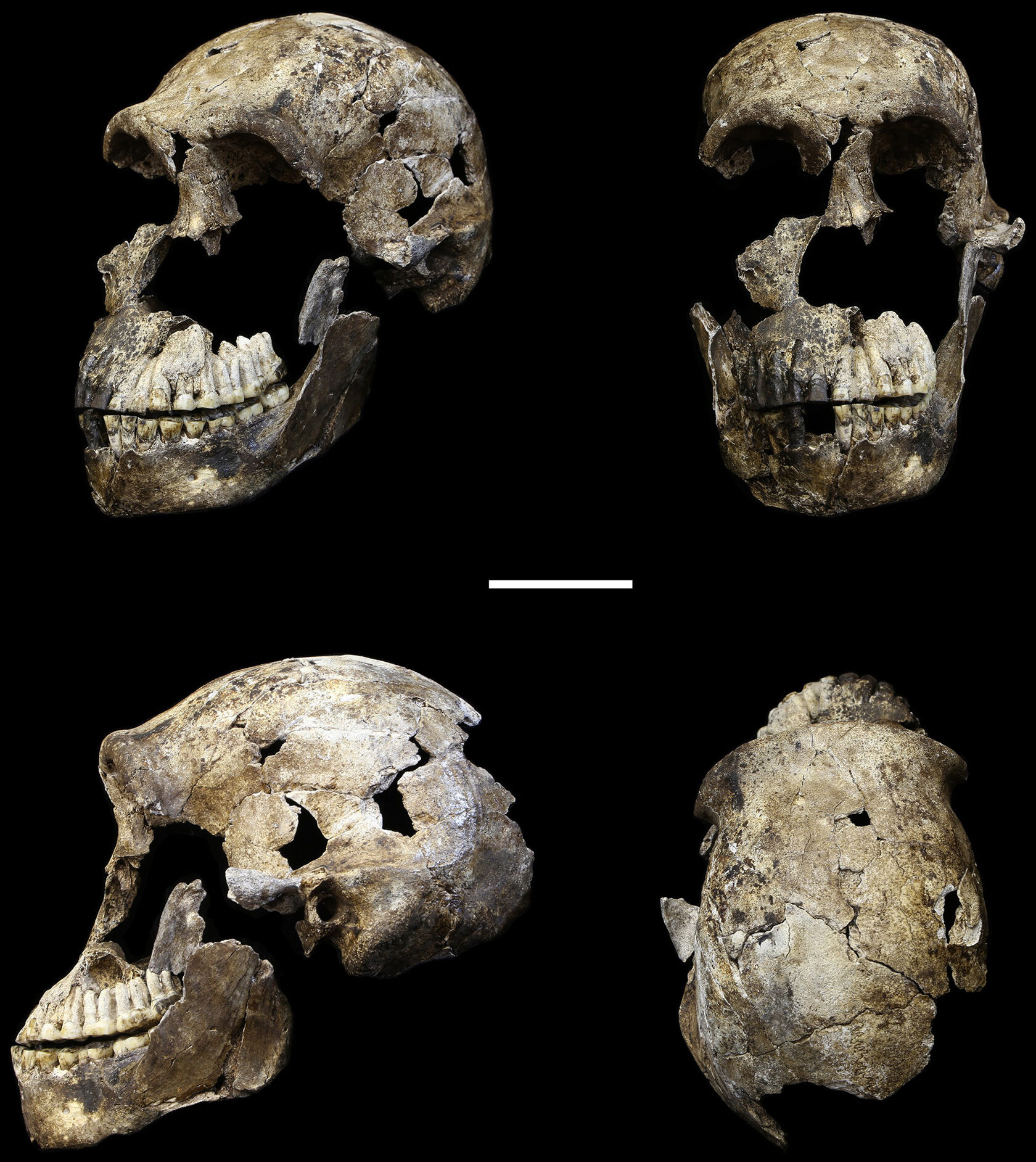
The remains of Homo naledi were first discovered in 2013 in the Republic of South Africa. In 2017, during an exploration of the Rising Star cave system in South Africa, a burial site of Homo naledi was discovered. Among the remains was a child who died between the ages of 4 and 6. Among its remains, 6 teeth and 28 skull fragments were found. This discovery sparked debates among scientists that continue to this day.
The Mystery of the Homo naledi Burial
The remains of Homo naledi were uncovered by the same researchers who, five years prior, had found the remains of Australopithecus sediba. These were paleontologist Lee Rogers Berger from South Africa and his team. In 2017, the excavations were conducted by anthropologist John Hawks, also in the same cave system. The researchers thoroughly studied the cave complex and found no hidden passages leading to the burial site. To reach the remains, they had to overcome numerous incredible obstacles. For example, to get through some narrow passages, they had to exhale air from their lungs, and some sections required acrobatic skills from the researchers. This led scientists to ponder how the remains ended up so deep in the caves and why they were placed there. Studies of the cave system showed that its structure had remained relatively stable throughout this time, meaning the path to the remains was always just as difficult. Predators or natural disasters could not have been the cause either, as the remains lacked characteristic damage. Consequently, some researchers suggested that members of this species might have disposed of their dead in this manner. This claim faced significant criticism from scientists, as Homo naledi is considered too primitive, and burial culture among hominids is thought to have appeared much later. Furthermore, the path to the Dinaledi Chamber, where the remains were found, is too difficult and dangerous to have been used for intentionally carrying the bodies of the dead. Nevertheless, there is still no clear answer today as to how the Homo naledi remains ended up so deep in the cave.
The Mystery of Brain Structure
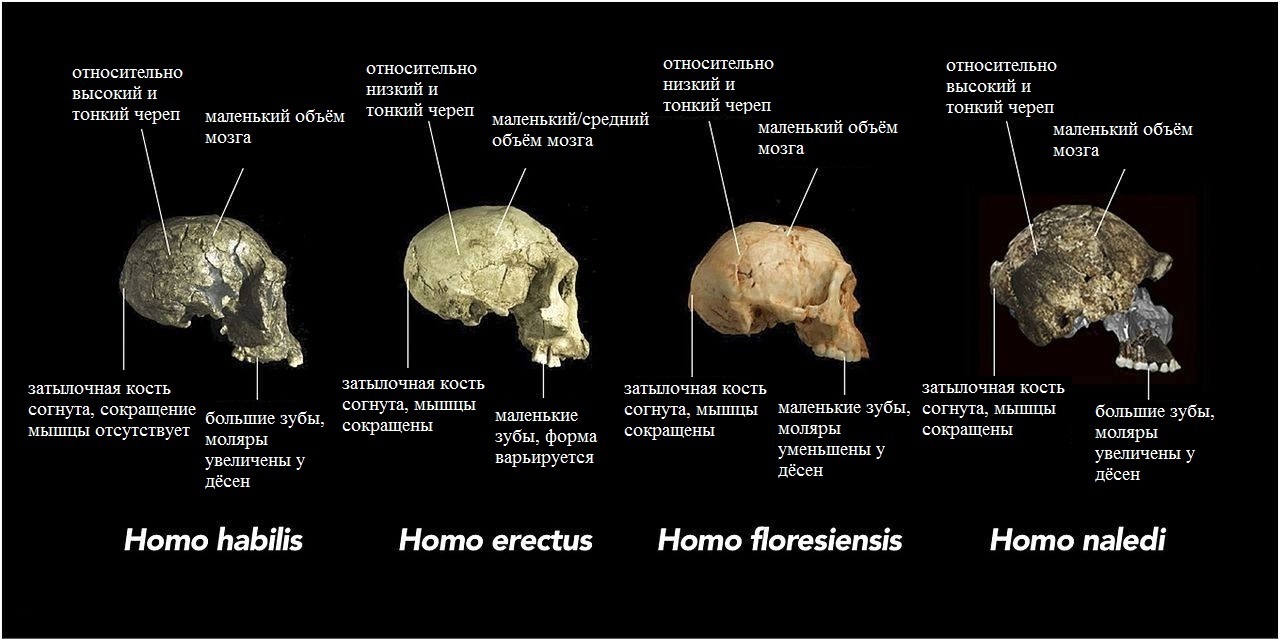
After the Homo naledi remains were first discovered, scientists estimated their age to be 2-1 million years old. They reached this conclusion based on the hominid's small brain size. However, in 2017, after conducting a series of studies, including methods like electron spin resonance and uranium-thorium dating, their age was estimated to be 367-238 thousand years old. The main question arising from this is how this species survived surrounded by hominids with more developed brains. This discovery forced a reconsideration of the theory of evolution, giving rise to a theory suggesting that Homo naledi branched off early from the lineage leading to Homo sapiens. According to scientists' estimates, this species diverged no later than 900 thousand years ago. There is a possibility that this species is the result of crossbreeding between a hominid and a late australopithecine. The body mass of Homo naledi falls between that of australopithecines and Homo sapiens: its average height is 144 cm, and weight is 40 kg.
This species consumed exclusively hard food. So hard that it had to put stones in its mouth to chew tough meat or tubers. This is evidenced by numerous chips on their teeth, even in young children. Homo naledi is a mysterious species of hominid, the secrets of which scientists have yet to uncover. If you, too, have been captivated by Homo naledi, you can purchase a reconstruction of this hominid's skull in our workshop.
This species consumed exclusively hard food. So hard that it had to put stones in its mouth to chew tough meat or tubers. This is evidenced by numerous chips on their teeth, even in young children. Homo naledi is a mysterious species of hominid, the secrets of which scientists have yet to uncover. If you, too, have been captivated by Homo naledi, you can purchase a reconstruction of this hominid's skull in our workshop.
